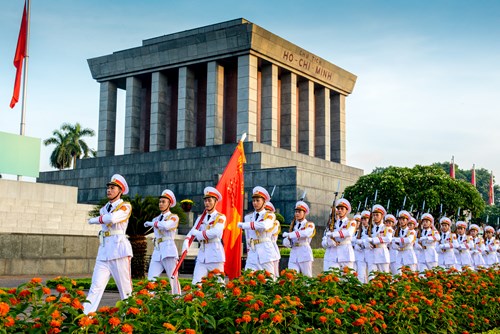
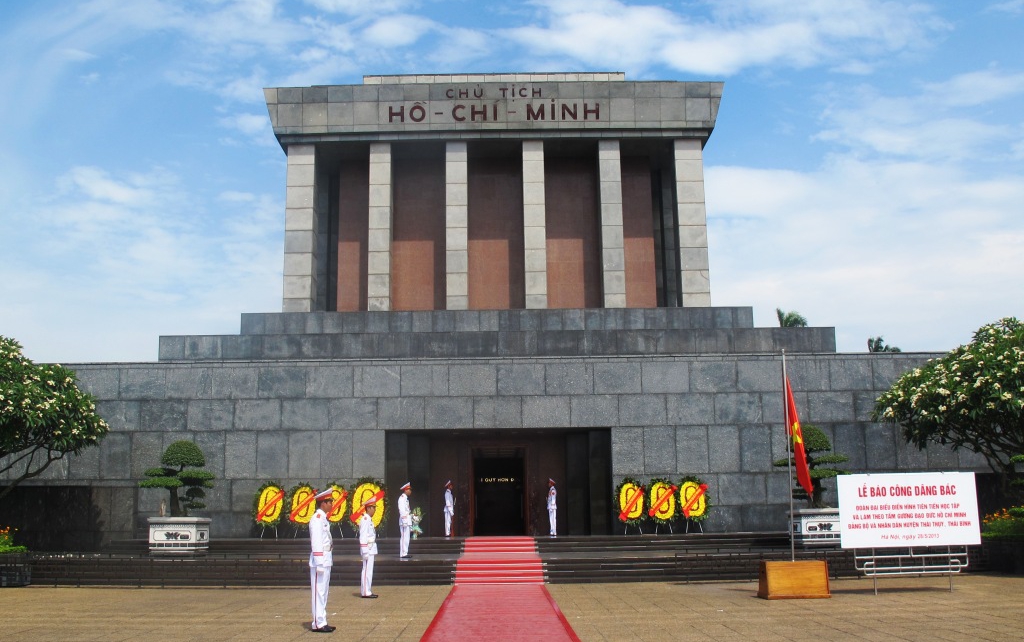
Ho Chi Minh Mausoleum is a building to commemorate Ho Chi Minh Uncle- a great leader of Vietnam. It located in Hung Vuong street, Ba Dinh district. It is the final resting place of Ho Chi Minh, the most iconic and popular leader of Vietnam, known to his people as Uncle Ho.
Ho Chi Minh Mausoleum
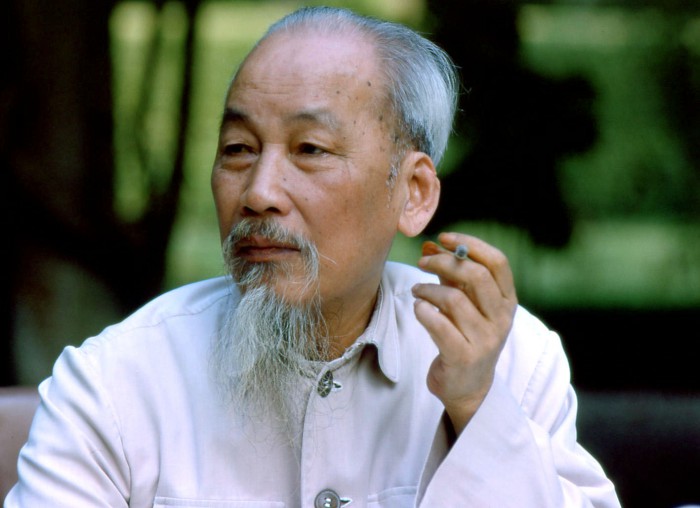
About Ho Chi MinhHo Chi Minh President
Ho Chi Minh (1890-1969) as known as Nguyen Tat Thanh, Nguyen Ai Quoc, Uncle Ho. He was a Vietnamese revolutionary and politician. He served as Prime Minister of North Vietnam from 1945 to 1955 and then its President from 1945 to 1969. Ideologically a Marxist-Leninist, he served as Chairman and First Secretary of the Workers' Party of Vietnam. Ho Chi Minh Mausoleum
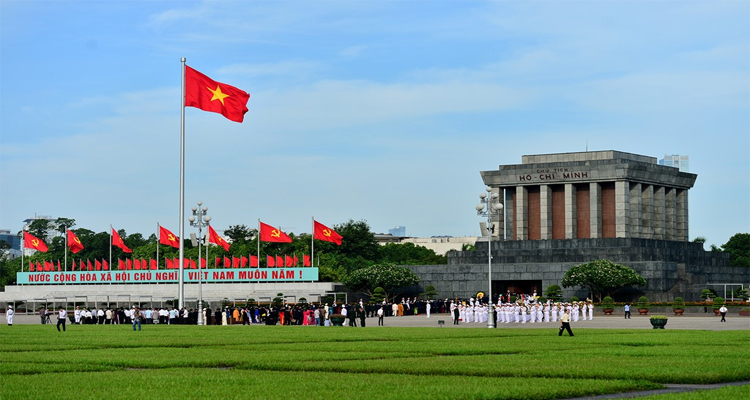
Mausoleum was inaugurated on August 29, 1975. The architecture of it is the combination of Lenin Mausoleum's architecture in Moscow and the incorporates of distinct Vietnamese architectural elements. It is popularly known among Vietnamese as Uncles’ Mausoleum, for the intimate and familiar atmosphere, Ho Chi Minh always created when he was alive. Ho Chi Minh Mausoleum consists of three layers with 21.6 meters high and 41.2 meters wide. The mausoleum's portico has the words "Chủ tịch Hồ Chí Minh" (Chairman Ho Chi Minh) inscribed across it. The banner beside says "Nước Cộng Hòa Xã Hội Chủ Nghĩa Việt Nam Muôn Năm" (en: "Long live The Socialist Republic of Viet Nam"). In the middle of the Mausoleum, the embalmed body of Ho Chi Minh is preserved in a glass coffin protected by four military honor guards. About landscapes surrounding the Mausoleum, there are two wildflowers in two sides of the front door. The gardens surrounding the mausoleum have nearly 250 different species of plants and flowers, all from different regions of Vietnam. In the rear and the back of the Mausoleum, 79 ten thousand trees were grown symbolizing for 79 years in the life of Uncle Ho. In the south and the north of the
Ho Chi Minh Mausoleum
Mausoleum, there are two ranges of bamboo, which are a symbol of Vietnam. In the front of the Mausoleum is Ba Dinh Square where Ho Chi Minh President read the Proclamation of Independence of the Democratic Republic of Vietnam. Mausoleum opens in all mornings except Monday and Friday, from 8.am to 11.am and 7.30am to 10.30 in the hot season. His body is preserved here in a glass case at the Ho Chi Minh Mausoleum in central Hanoi. So to pay our honors and respects to Uncle Ho, there are some rules for visitors such as Visitors shouldn’t wear shorts, sleeveless shirts, and miniskirts, … everyone must resubmit their bags, cameras, phones. Smoking, drinking, eating, taking photographs, and taping video is not permitted anywhere inside the Mausoleum. To go inside the mausoleum, visitors have to line up and keep silent. Ho Chi Minh Mausoleum is a meaningful cultural work of Vietnam. For each Vietnamese citizen, visiting the Mausoleum is an emotional need to express gratitude to the great leader of the country. Uncle Ho Mausoleum is a meaningful place.
Ba Dinh Square
Ba Dinh Square is the largest square in Vietnam, in front of Ho Chi Minh Mausoleum. Therefore, tourists visiting Ho Chi Minh Mausoleum also can admire Ba Dinh Square as well The Square is a place where many historical milestones of Vietnam happened. Especially, on September 02, 1945, in this place, Ho Chi Minh President read the Proclamation of Independence of the Democratic Republic of Vietnam. After that day, Ba Dinh Square is widely recognized as the birthplace of a new Vietnam. In the middle of the Square, there is a flagpole with 25 meters high. You can come here at 6 am every day to watch flag ceremony or 9 pm to joy lowering of the flag ceremony. Ba Dinh Square Presidential Palace HanoiPresidential palace Hanoi
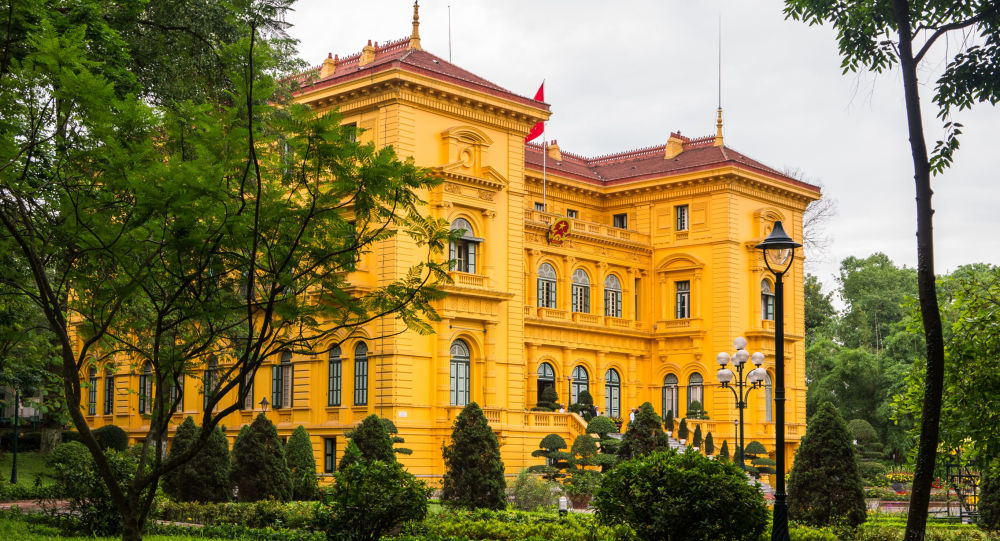
Presidential Palace Hanoi is a place where Ho Chi Minh President used to live and work from December 1954 to September 1969. This place is ranked in the list of 23 special national monuments of the country. In the Presidential Palace, Ho Chi Minh President met many delegations who are the representatives of political parties, workers, peasants, intellectuals, etc. After he passed away in 1969, the Palace became a historic relic. In this historic relic, besides visiting the Presidential Palace, tourists also have a chance to visit a fishpond, orchards, and Ho Chi Minh's Stilt House. These places have become an important monument related to 15 years of living and working of Ho Chi Minh.
Ho Chi Minh’s Stilts HouseHo Chi Minh's stilts house
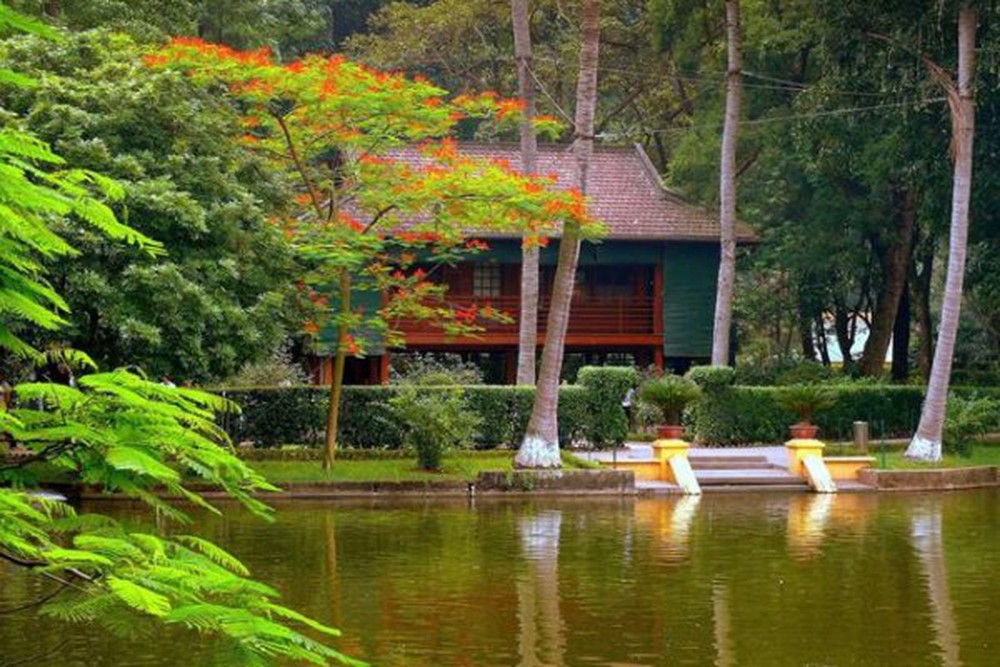
As known as a person who loves nature, Uncle Ho didn’t like living and working in the Presidential Palace. Presidential Palace is only used for reception activities or diplomatic rituals. In May 1958, according to the inspiration of Uncle Ho, officers and soldiers built a Stilt House in the garden of Presidential Palace. The House was inaugurated on May 17, 1958, to celebrate the birthday of Uncle Ho. It is located next to the fishpond surrounded by orchards having many rare plants from different places in the country. The Stilt House has two floors. The upstairs has two rooms where Uncle Ho worked and lived. The downstairs was a reception desk. The Stilt House is surrounded by idyllically natural landscapes including a hibiscus hedge, a fishpond, and fruit trees and so on.
Ho Chi Minh has known is the most talented leader of Vietnam, he was chosen of 100 most influenced people in the world in the 20th by Times Magazine. You must visit this place to understand more about Ho Chi Minh life and career.
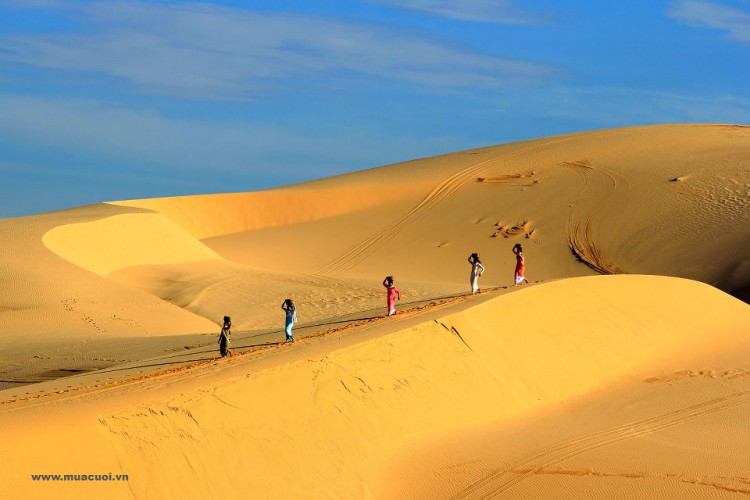
Each trip prepared by us is a local immersion, deep in our heart, we want to share you and discover a real Vietnam and make you really live moments filled with emotion to make you feel Vietnam.
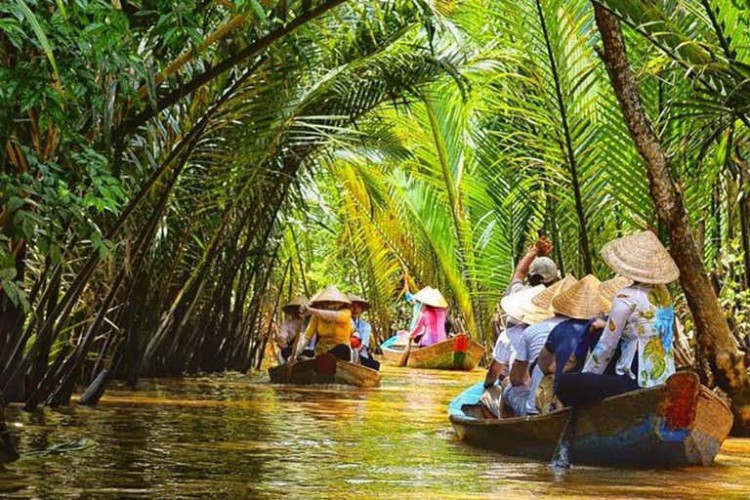
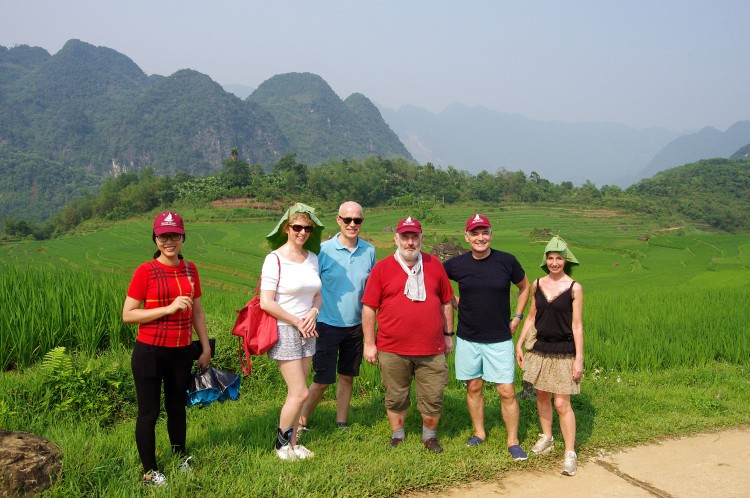
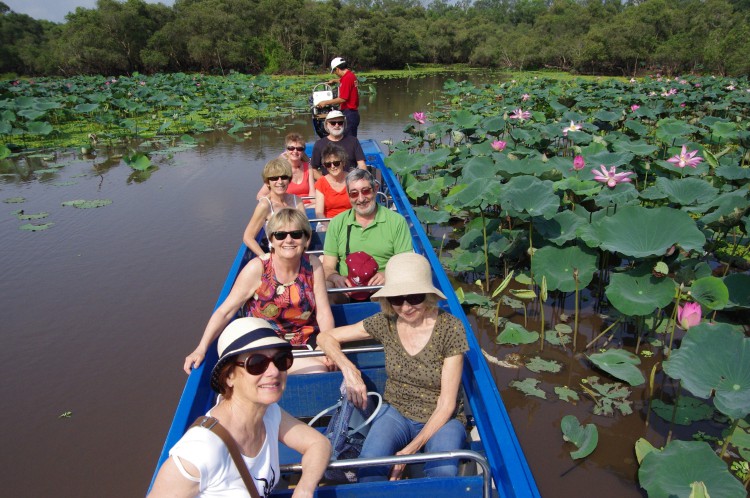
I want to show the world's travelers all the magnificence of its northern mountainous regions, the splendor of its bay of Ha Long, the noble beauty of the imperial city, and the sweetness of the banks of the Mekong River with its dotted delta floating villages.
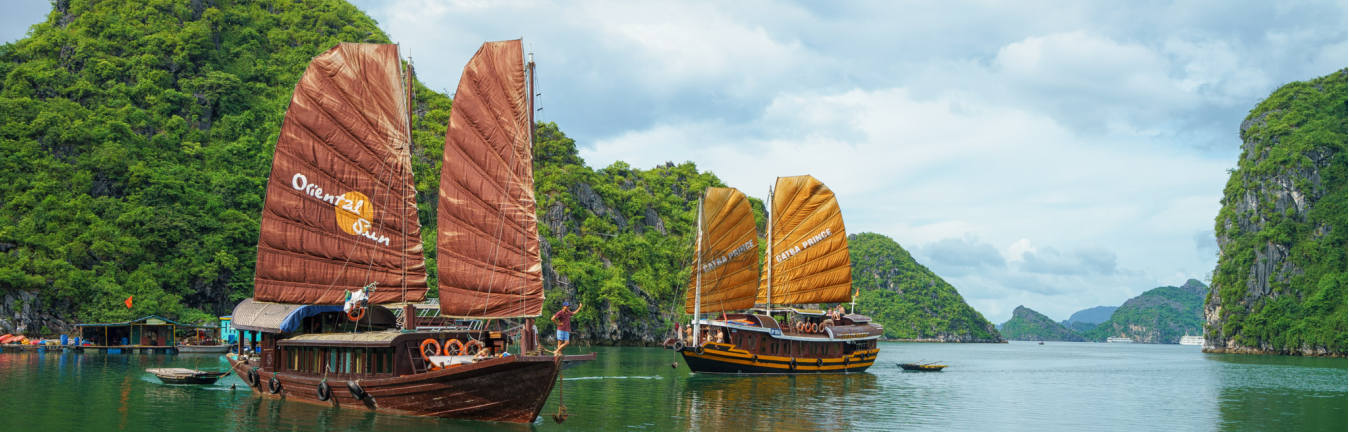
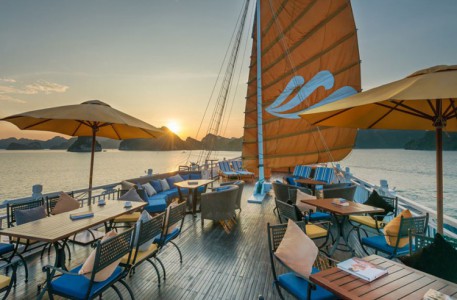
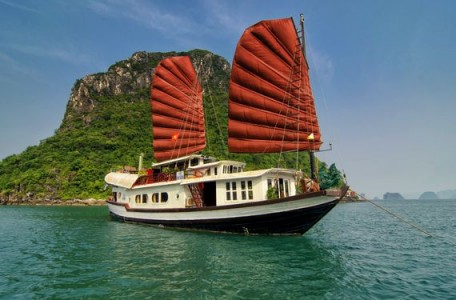
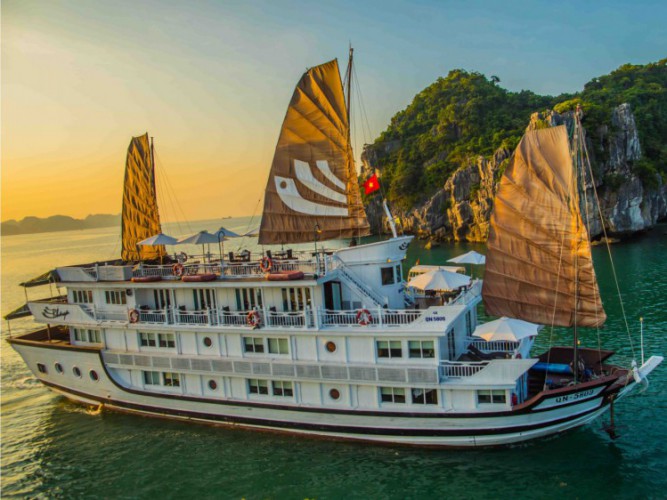
A traditional wooden junk designed for a personalised experience, the Paradise Luxury is the perfect blend of chic, modern styling and traditional Vietnamese detailing.
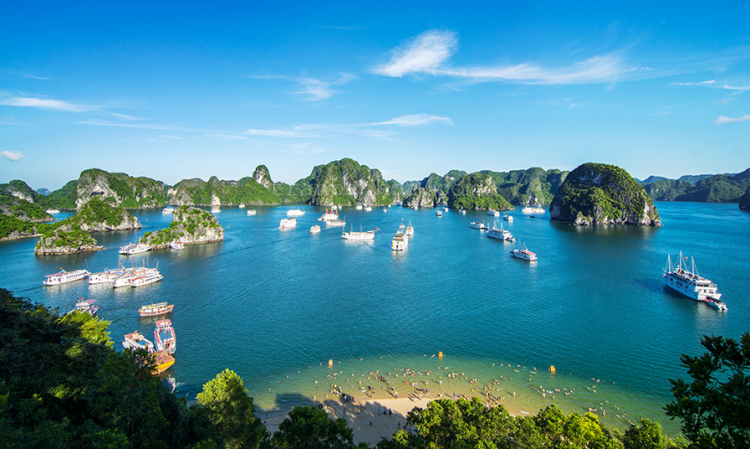
Find your unique personality by exploring the off the beaten track journey to discover the magnificence of Halong Bay and Bai Tu Long Bay - one of the 7 natural wonders of the world.<br />Indochina...
Bhaya is the boutique cruise line designed with a traditional look that offers authentic cruise experiences which combine the bay’s magnificent scenery with a taste of Vietnam’s rich traditional...
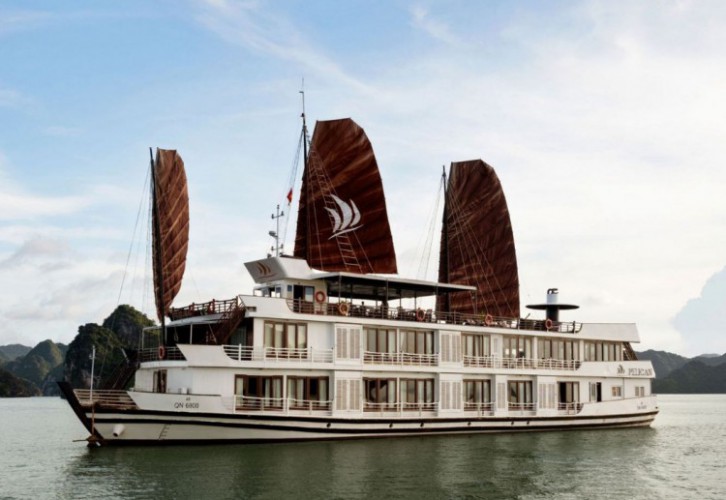
With luxury criteria, the Pelican fleet has 3 identical Pelican boats. Each boat has 22 cabins including bars, restaurants and a sun-deck that will offer you unique experiences at the 5-star level.
Perla Dawn Sails offers an off-the-beaten path cruise to Lan Ha Bay, the southern part of Halong Bay, where the scenic landscapes do not differ from those of Halong Bay.













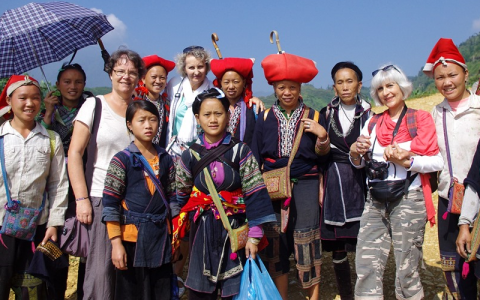
Each trip prepared by us is a local immersion, deep in our heart, we want to share you and discover a real Vietnam and make you really live moments filled with emotion to make you feel Vietnam.